
Solution / Leakage Sense

FLEXLEAK

Water, process liquid, and oil leakage detection using FLEXLEAK sensing cable and field controllers. The first step is the physical leak path: tanks, pumps, pipe trenches, drains, equipment bases, and raised-floor routes.

WaterLeak detection scope
LiquidLeak detection scope
OilLeak detection scope
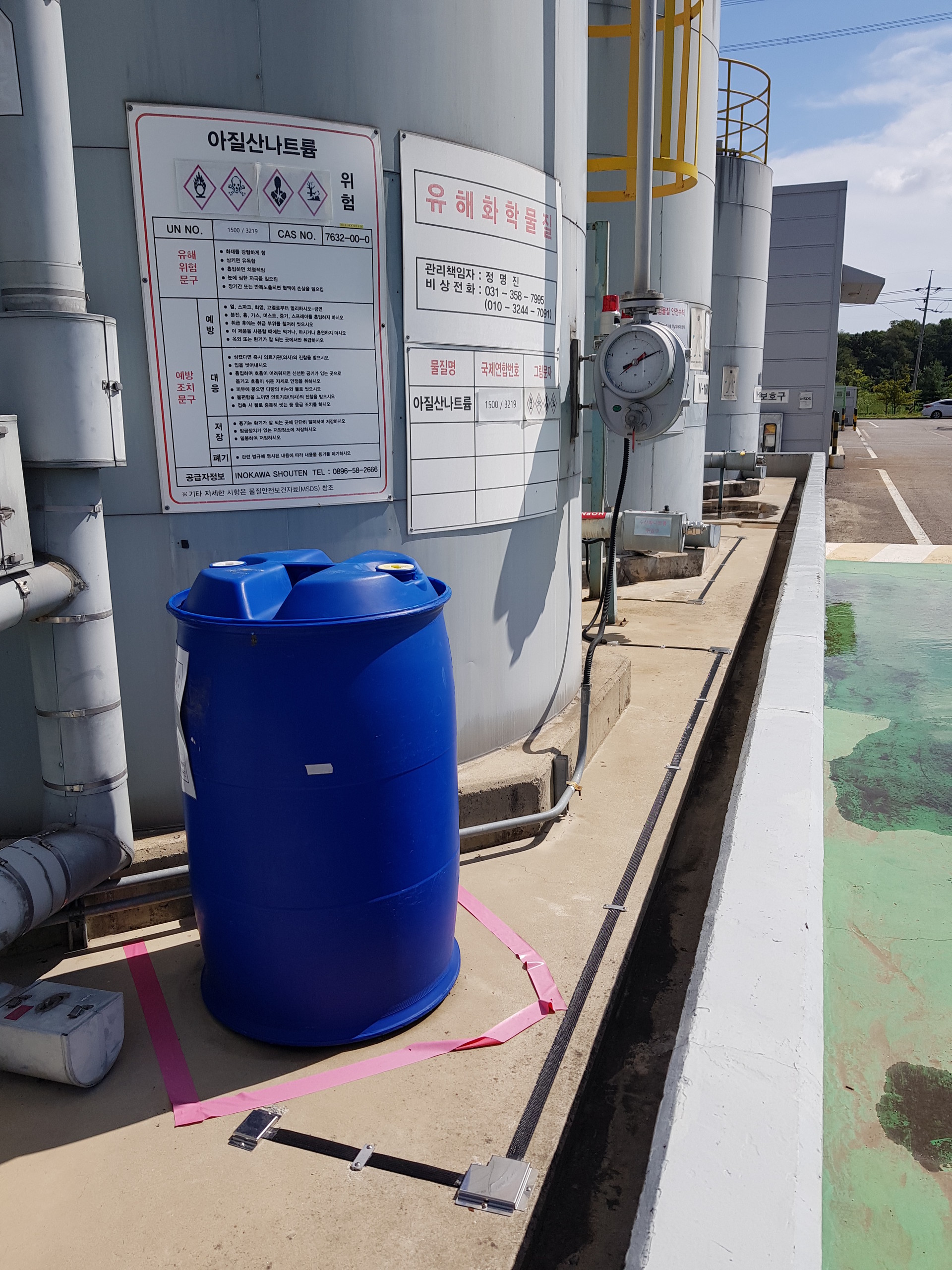
FLEXLEAK detection cable installed around a chemical tank and drum area
Chemical tank perimeterFLEXLEAK installation example
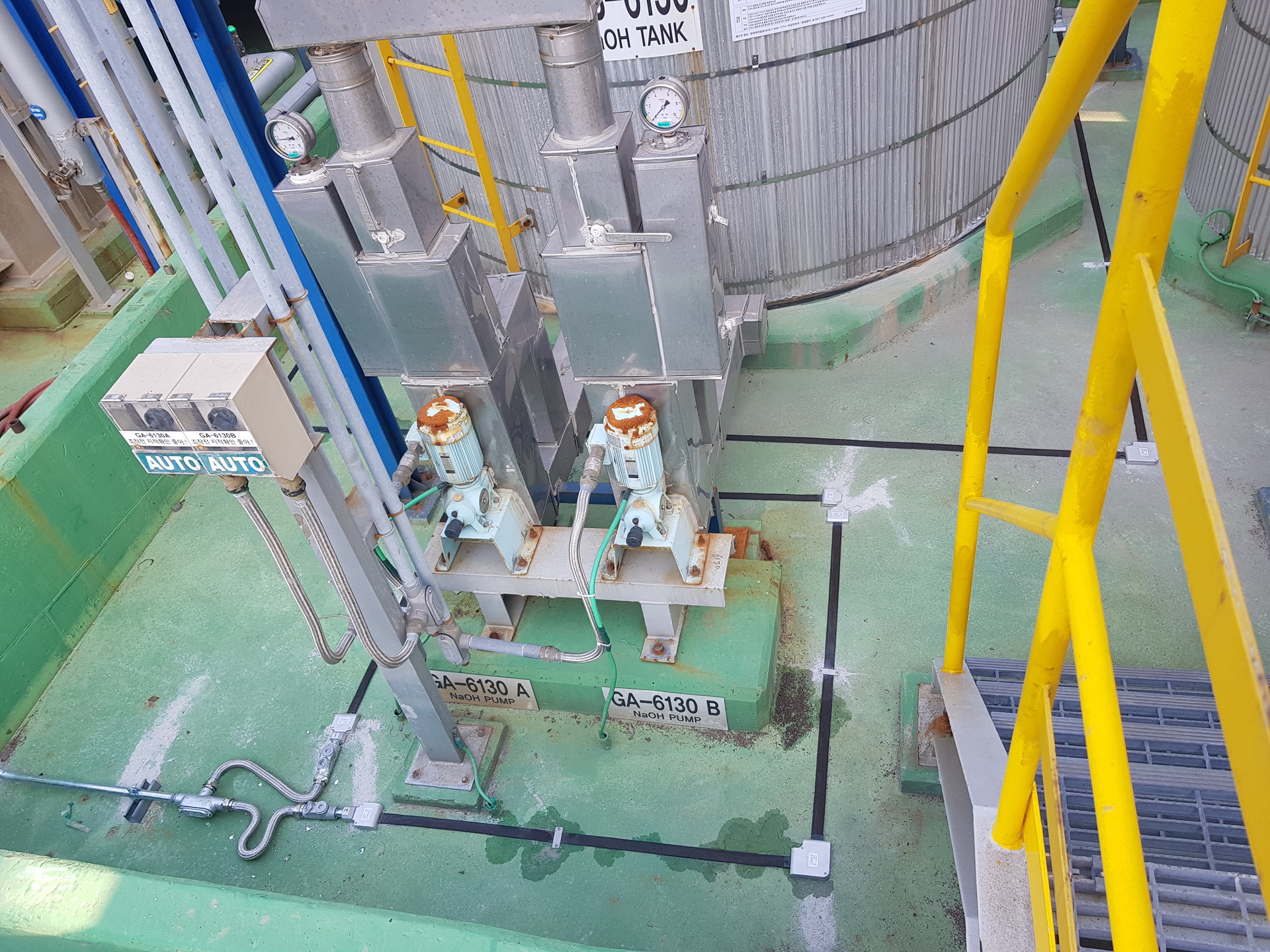
FLEXLEAK detection cable installed around process pumps
Pump and utility area
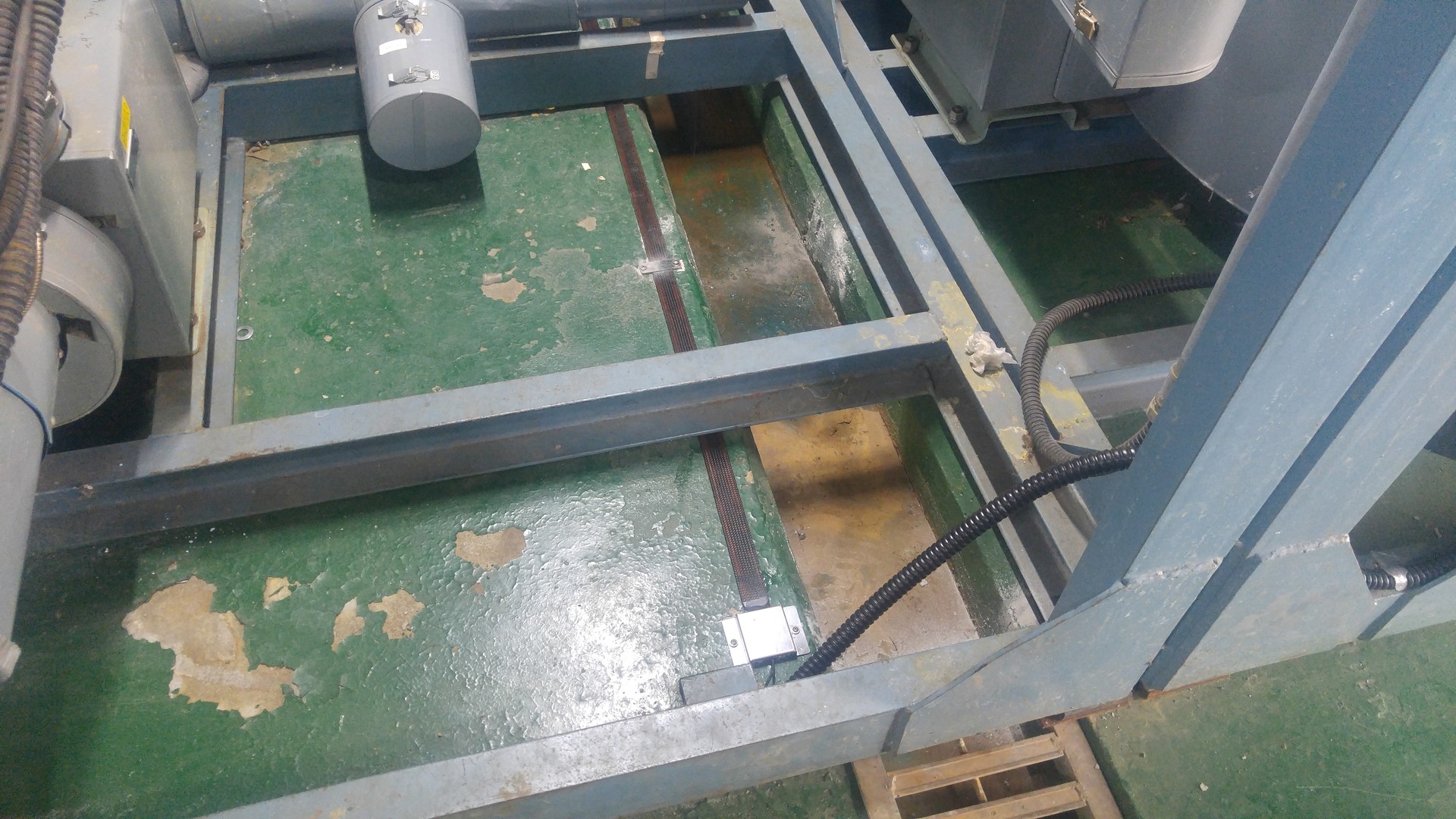
FLEXLEAK detection sensors installed in a pipe trench
Pipe trench route

FLEXLEAK application group

One leakage sensing family, three practical detection scopes.

The manufacturer groups FLEXLEAK application fields into water leakage, liquid leakage, and oil leakage. We translate those groups into a site review scope and integration plan.

Data center and server room area for water leakage detection

Water Leakage

For areas where water intrusion can damage operations, IT equipment, interiors, stored goods, or facility assets.

  • Data centers and server rooms
  • Offices, schools, hospitals, and laboratories
  • Semiconductor and display clean rooms
  • Museums, amusement parks, houses, apartments, and lodgings

Liquid leakage detection cable installed around pumps and chemical utility equipment

Liquid Leakage

For process or utility liquids where leakage may create safety, environmental, production, or equipment risks.

  • Thermal, nuclear, and cogeneration power plants
  • Wastewater treatment facilities
  • Laboratories
  • Heavy industry equipment, renewable energy, ESS, and battery facilities
Petrochemical facility for oil leakage detection

Oil Leakage

For oil or hydrocarbon leakage points where early detection supports fire prevention, maintenance response, and asset protection.

  • Chemical and petrochemical plants
  • Chemical piping and oil pipelines
  • Generator rooms and boiler rooms
  • Electrical rooms, MDF rooms, UPS rooms, ship, aviation, and space industry facilities

How we deploy the scope

Start with the leak path, then connect detection to response.

FLEXLEAK is most useful when the sensing layout is tied to an action workflow. The review defines what can leak, where it will travel, who must respond, and which system should record the event.

01

Confirm leakage risk zones

Review the site layout, fluid type, floor path, drainage, cable trays, pipe routes, and equipment bases before choosing sensor placement.

02

Plan sensor to alarm flow

Define how each FLEXLEAK detection point connects to local alarms, controller inputs, PLC/HMI, dashboards, or maintenance notifications.

03

Separate warning and action

Set the response workflow so teams know whether to inspect, isolate, clean, shut down, or escalate when leakage is detected.

Installation site fit

Built for facility and industrial leakage risk areas.

Use the installation photo reference as a starting point, then validate the exact detection route on the customer site before selecting cable length, controller location, and alarm handoff.

Chemical tank leakage detection cable installed around a drum and tank area

Chemical storage perimeter

Detection cable follows the likely leak path around tanks, drums, and drainage edges.

Leakage detection cable and sensor boxes installed around pump equipment

Pump room and process utility

Cable routing covers pumps, valves, and floor areas where liquid collects first.

Leak detection installed inside a pipe trench with color-coded pipes

Pipe trench and service route

Detection points are placed below pipe runs so leaks are caught before spreading.

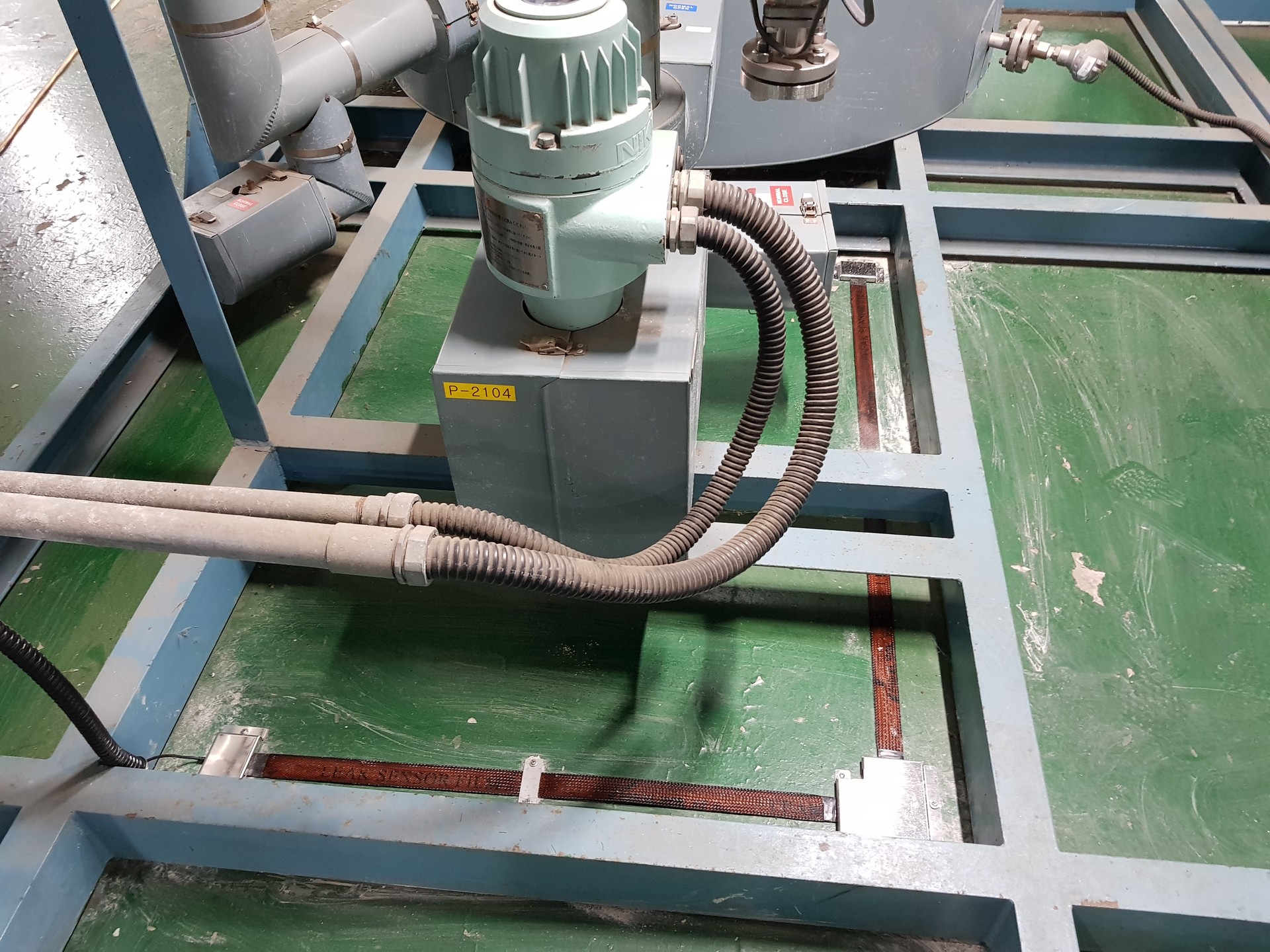
Leak detection cable installed below an equipment base frame

Equipment base frame

Low-profile sensing route protects equipment bases and hard-to-inspect corners.

Leakage Sense FAQ

Leak detection planning questions

What types of leakage can FLEXLEAK detect?

FLEXLEAK can support water leakage, process liquid leakage, and oil leakage detection depending on the selected sensor type and site condition.

Where are leakage sensors usually placed?

Typical routes include tanks, pumps, pipe trenches, drains, equipment bases, raised floors, electrical rooms, server rooms, and other areas where leakage will travel first.

Can leak detection connect to a PLC or alarm?

Yes. The review defines how detection points connect to local alarms, controller inputs, PLC/HMI, dashboards, or maintenance notifications.

Is a site review needed before installation?

Yes. Leak detection depends on fluid type, floor path, cable route, controller location, alarm handoff, and maintenance response workflow.

Review FLEXLEAK against your own leak risk zones.

Share the fluid type, site layout, and alarm destination. We will review whether FLEXLEAK is suitable and how to connect it to the maintenance workflow.

Request leakage review